
SIGN UP
FOR ROUTE 66 UPDATES, NEWS AND EVENTS BY EMAIL
Visit Albuquerque prohibits users from downloading images from our website.
Please use our media library for downloadable images and usage rights.
“Los Árabes,” writes Monika White Ghattas, Ph.D., “have been in New Mexico for over a century.” Los Árabes was the name New Mexicans called the Arabic-speaking settlers from the vast region tracing North Africa, the Mediterranean and the vast region of Western Asia known as the Middle East (abbreviated as MENA). Though Arabic influences can be found all over Albuquerque’s Spanish Colonial heritage due to Spain’s own Moorish history, direct immigration from the Middle East increased in the early 1900s. These early entrepreneurs supported the villages they settled in through trading and mercantile, growing commercial enterprises that would shape Route 66 when it was merely a dirt road.
In an 1893 census, most Arabic settlers set roots down in Bernalillo, just north of Albuquerque. Descendants of these families – Koury, Francis (Hassan), Sahd, Fidel, Younis – remarked to Dr. Ghattas that New Mexican villages shared much in common with their ancestors’ homeland. As more friends and relatives joined the community in New Mexico, an unspoken rule was set: only one Lebanese-owned business per town. These families became prominent members of the communities they joined. Many of these immigrants learned New Mexican Spanish before English.
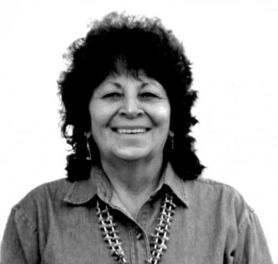
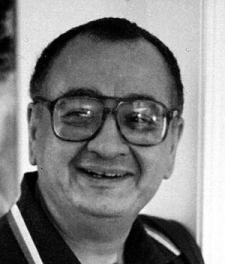
From left to right: Paula Gunn Allen, Carol Lee Sanchez and Lee Francis.
The esteemed Laguna writing family – Paula Gunn Allen, Carol Lee Sanchez and Lee Francis – were proud of their Lebanese ancestry and mixed heritage, passed through their father Elias Lee Francis II. E. Francis II served as the 20th lieutenant governor of New Mexico from 1967 to 1970. His father, Elias Francis I (Elias Abu Hassan), was a prominent merchant in the village of Seboyeta, near Laguna Pueblo, with poetic inclinations. To his descendants, especially Paula Gunn Allen, he became a semi-legendary figure, immortalized in her poetry.

Abdoo Fidel's Acoma Curio Shop (closed) on Route 66, est. 1916. Photo courtesy of Nolan Stolz on Facebook.
San Fidel (est. 1868 as Ballejos), a village near Acoma Pueblo, was named in honor of Lebanese merchant Abdoo H. Fidel, who opened a general store there in 1916 and maintained deep trade relationships with Pueblo merchants. When Route 66 paved its way into the pueblo, Fidel turned the store into a curio shop carrying only Acoma-made goods – working with several renowned makers, like Lucy Lewis and Mary Z. Chino, leaders of the Mimbres and Chaco-style pottery revival movement. Fidel modeled respect for the Acoma community in a time when cheap replicas or inauthentic goods were commonplace in shops like his. The Acoma Curio Shop, long abandoned but still standing, is listed on the National Register for Historic Places.
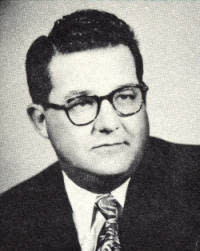
Dale J. Bellamah, c. 1950s. Photo courtesy of the Center for Southwest Research, MSS 646 (Dale Bellamah Homes Records).
Albuquerque’s midcentury urban growth, which developed the Northeast Heights, owes much to one ambitious architect: Abdullah “Dale” Bellamah. Bellamah was born in San Juan (Veguita), New Mexico to Lebanese parents, leaving home at age 12 to work for the railroad. He would return to his education, continuing through college before he served in the military in World War II. When he returned in 1945, he observed the demand for new homes— and thus began his building career. Bellamah began work on the Princess Jeanne Park neighborhood, a suburb named for his wife, in 1954. By 1958, Bellamah’s firm was ranked the sixth largest in the world.
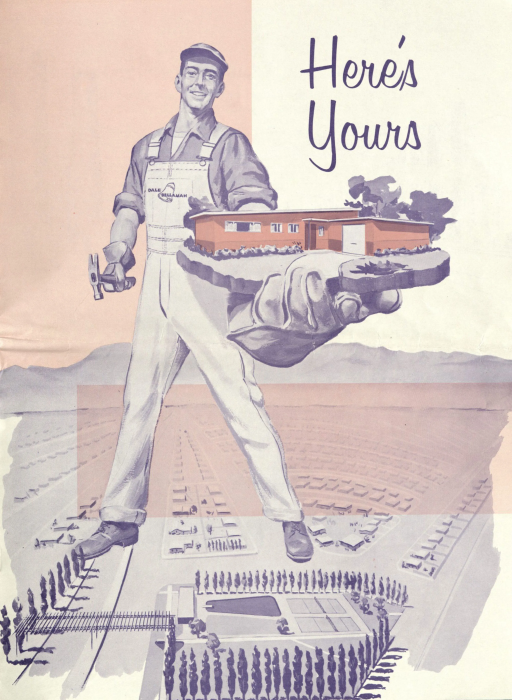
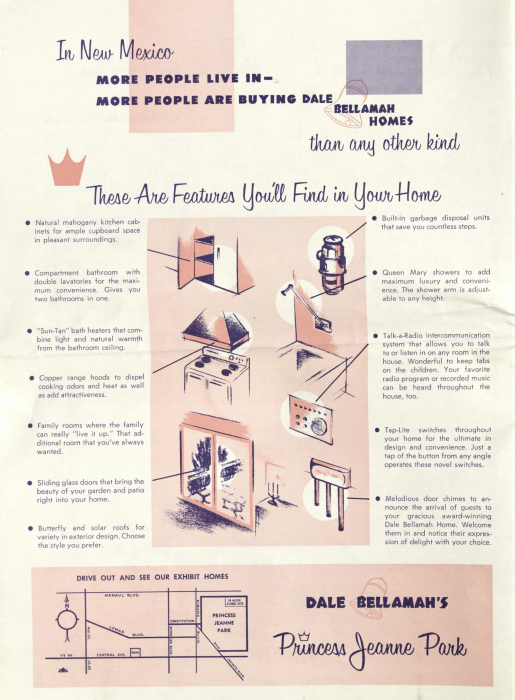
Advertisements for Princess Jeanne Park, c. 1950s. Courtesy of the Center for Southwest Research, MSS 646 (Dale Bellamah Homes Records).
In Princess Jeanne alone, Bellamah added 1,600 homes over 300-plus acres on Albuquerque’s East Mesa; throughout New Mexico, Bellamah built more than 13,000 homes. The tangible impact Bellamah left on Albuquerque’s cityscape can be seen in these storied suburbs. One can learn more about Bellamah and Albuquerque’s midcentury modern architecture on a NM Modernism Mid Mod Home Tour, with tours on April 18-19, 2026.
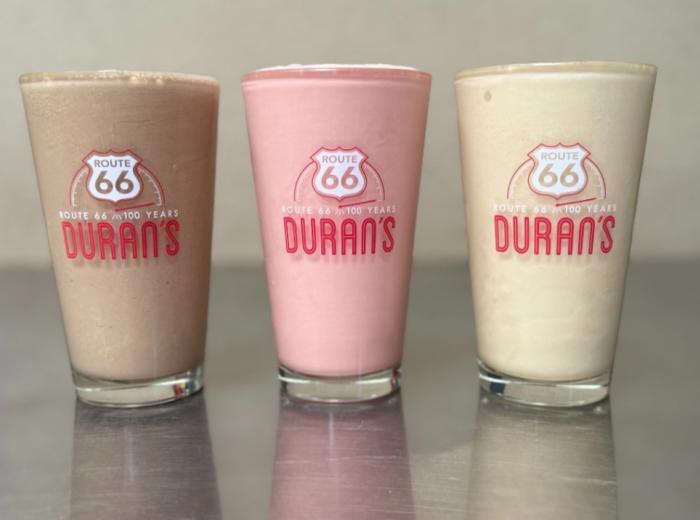
Duran's limited-edition Route 66 Centennial glasses.
One of Albuquerque’s most cherished Route 66 establishments is Duran Central Pharmacy, a curious mix of a fully-operant pharmacy, gift shop and New Mexican diner. In business since 1942, the original owner, Pete Duran, was an esteemed pharmacist and resident of Old Town, so he wanted to build his pharmacy close to home, for his community. In 1965, Duran retired and sold the store to his staff pharmacist, Robert Ghattas. Ghattas grew the business greatly during the first 10 years, expanding to their current location on 1815 Central Ave. (Route 66) in 1975.
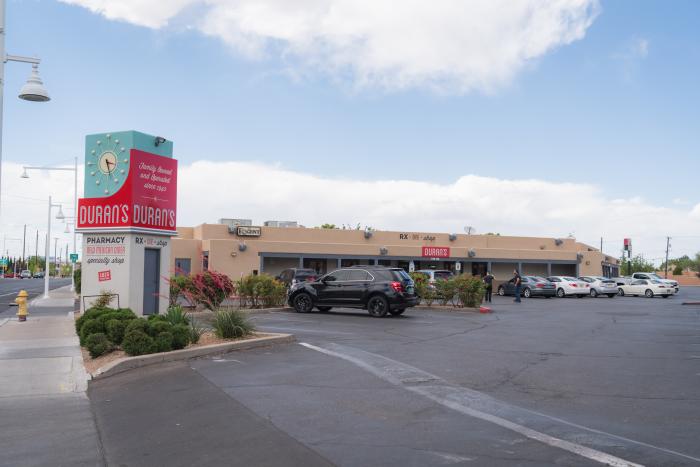
Duran's exterior.
The Ghattas family have owned and operated Duran’s since, with Robert’s daughter Mona taking over in 2010. See our interview with Mona Ghattas, RPh., for more local insights on Route 66. Robert, Monika and the Ghattas clan poured resources and expertise into the ABQ BioPark’s Lebanon and Beyond garden, which opened in October 2025. This is the first dedicated Lebanese garden in North America. There, visitors can engage with the sights and smells of Mediterranean flora, with a small conservatory venue where gatherings can be held. The stone terracing, water tributaries and architecture are inspired by Robert’s native Lebanon, creating a transportative experience from Albuquerque to Mount Lebanon.
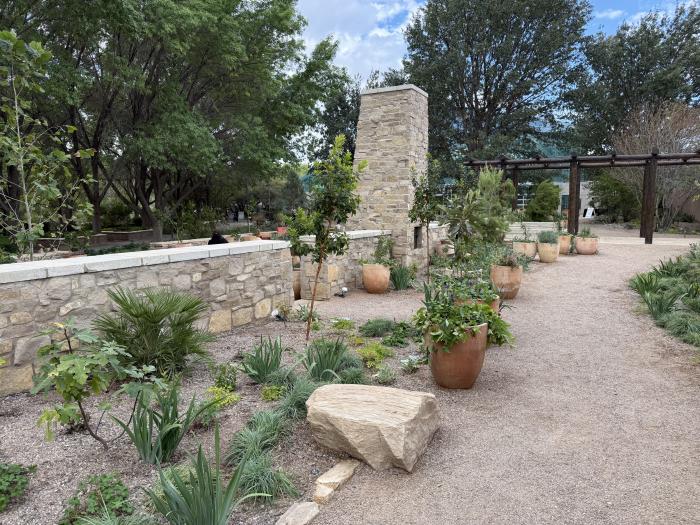
A section of the Lebanon and Beyond Garden at ABQ BioPark.
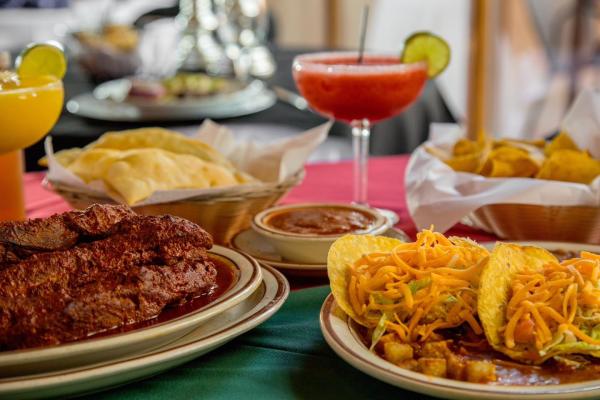
A spread of New Mexican dishes and mixed drinks at Sadie's.
Another iconic New Mexican restaurant, Sadie’s, began on 2nd Street under the direction of Sadie Koury – the eldest child of Lebanese immigrants, Rashid (Richard) and Zahia (Sophie) Koury, raised in Bernalillo. Sadie grew up speaking Spanish, learning the craft of New Mexican cooking from her Indigenous neighbors, dipping sopaipillas into hummus. Her first business venture was a cafe in a railroad dining car in Las Vegas, New Mexico. In 1954, Sadie opened a nine-seat diner in the North Valley at the southeast corner of 2nd Street and Osuna Road. This was the first “Sadie’s Cafe.” In the early 1970s, Sadie moved the diner above the Valley Bowl bowling alley on 4th Street (pre-1937 Route 66).
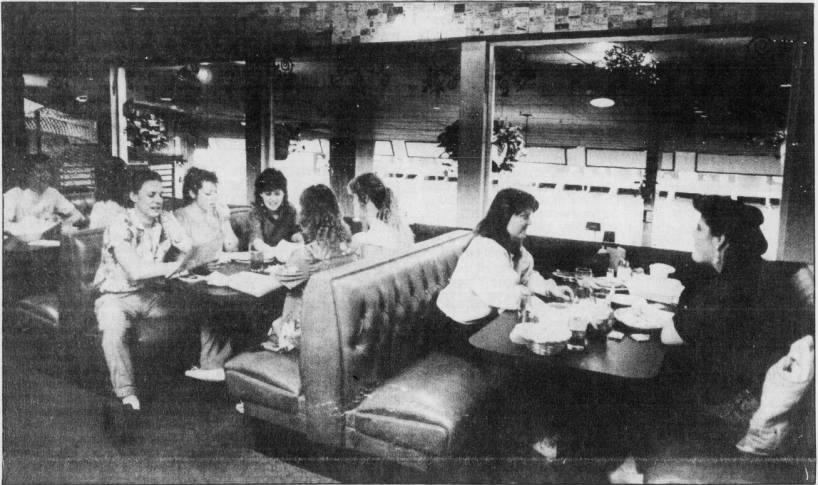
Sadie's first Fourth Street location, above the Sun Valley Bowl, 1988. Photo by Dean Hanson, courtesy of the Albuquerque Journal.
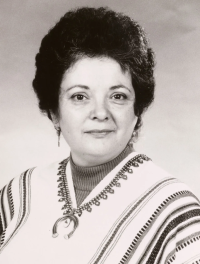
Sadie retired from the business in 1975, with her sister Betty Jo Stafford carrying the torch for decades to come. Betty Jo oversaw the opening of the iconic Sadie’s location on North Fourth Street in 1990, beloved by locals and visitors alike. Today, you can sit down in the lobby at Sadie’s and gaze upon Sadie Koury’s warm, gentle smile captured in a portrait— just a young woman with a diner and a dream.
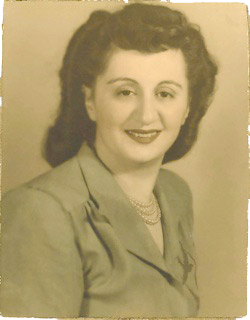
Portrait of Sadie Koury. Courtesy of Sadie's.
Route 66 in Albuquerque is distinguished by its blend of classic retro-Americana and an international sensibility in cuisine, retail and entertainment. Middle Eastern, North African and Mediterranean eateries can be found all along Central Avenue (Route 66). Traditional sit-down restaurants like Yasmine’s Cafe and Sahara Middle Eastern Eatery have risen to community fixtures in their years of business. As time goes on, Albuquerque’s Middle Eastern and North African eateries are diversifying, with the additions of Downtown’s Afghani Kebab House and Yalla! Shawarma.
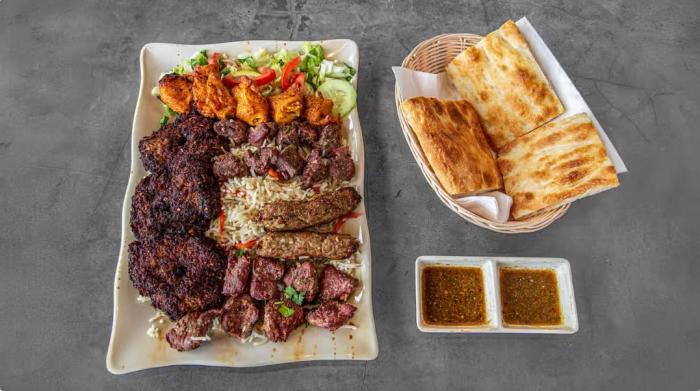
The Family Combo #1 plate at Afghan Kebab House.
Arabic coffee shops are rising in popularity in the university area. Sukoon Coffeehouse brings an Afghani palate and hospitality to Nob Hill, dreamed up by two UNM medical students who saw a need for good food and coffee for busy students. Some of their lattes pay homage to the Middle East, with unique flavors like date, pistachio and Yemeni coffee (cardamom, cinnamon, cloves and honey). Directly across from UNM, Amalie Coffee Co.’s offerings include a baklava latte and a wide selection of baked goods from churros, bagels and zaatar grilled cheese.
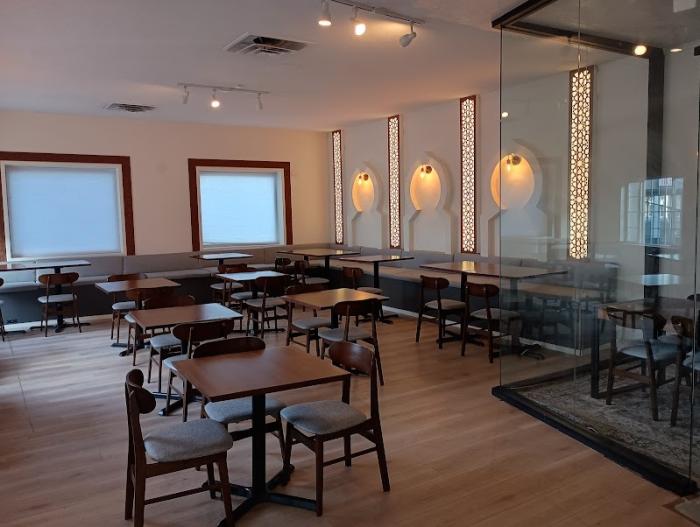
Interior of Sukoon Coffeehouse. Photo courtesy of Sukoon Coffeehouse.
Middle Eastern and North African restaurateurs on Route 66 put a twist on American comfort food, too. KuKri Chicken in 505 Central Food Hall is Pakistani-American-owned, serving up delicious fried chicken with a Middle Eastern spice. Seemo’s Slices offers classic pizza pies that are certified halal. Find more halal eateries in Albuquerque.
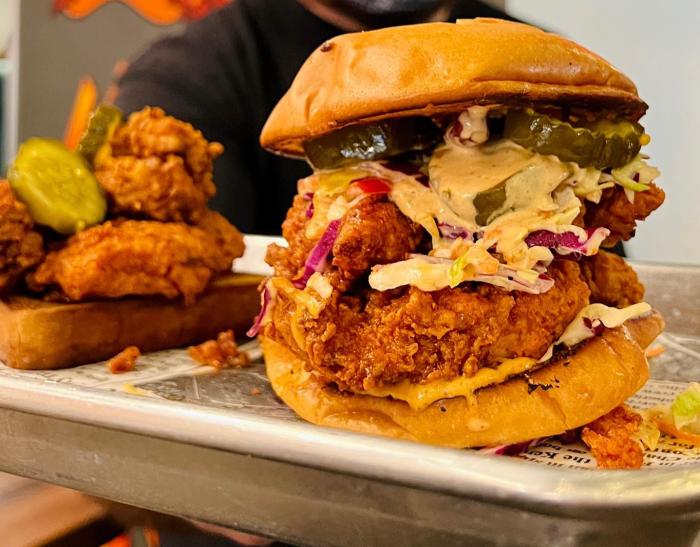
A loaded fried chicken sandwich from KuKri Chicken.