
No matter where you are in the city, a tranquil nature refuge is never far away. From sun-dappled paths along the Rio Grande to cone-shaped rocks that look straight out of a sci-fi movie, explore some of the area’s scenic beauty that will leave you breathless.
Kasha-Katuwe Tent Rocks National Monument
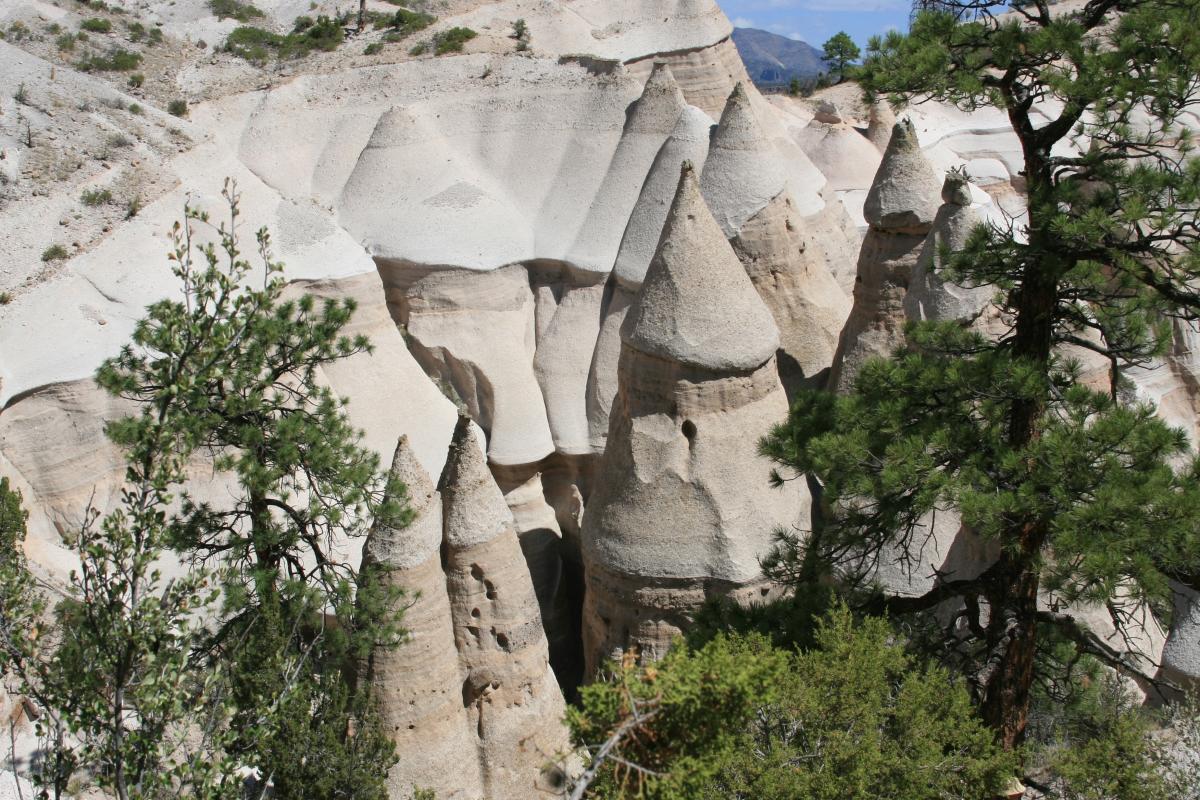
About an hour’s drive northwest of Albuquerque is the Kasha-Katuwe Tent Rocks National Monument. These spectacular rock formations, called “hoodoos,” formed 6 to 7 million years ago after a series of volcanic eruptions left behind pumice and ash deposits. Many of the tent rock formations have boulder caps that protect the softer pumice below. Some of the rocks stand up to 90 feet tall.
Tent Rocks is open to foot traffic only along recreation trails that can be used for hiking, geologic observation and more. The Slot Canyon Trail is almost 2 miles long, and the Cave Loop Trail is just over 1 mile. Keep your eyes peeled for wildflowers that grow in the cracks of rocks. Visitors might see everything from golden peas to white prairie clovers, along with shrubbery like the three-leaf sumac and apache plume. More than 60 species of birds have been spotted at Tent Rocks, including year-round residents like the hairy woodpecker and the red-tailed hawk.
To reduce overcrowding and trail erosion, reservations are required for visitors and can be made through the Bureau of Land Management at recreation.gov.
Rio Grande Bosque
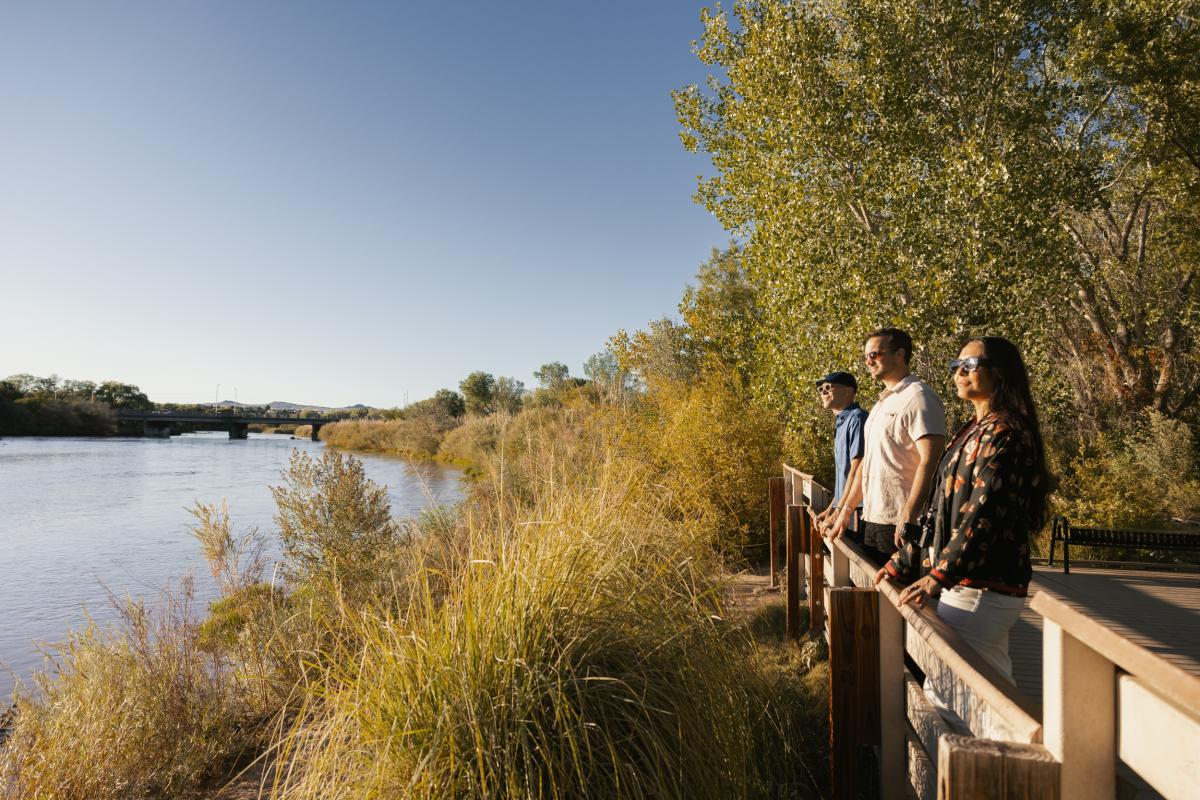
The Rio Grande Bosque is the wooded area lining the Rio Grande. All types of recreation are welcome in the Bosque, including cycling, walking or running, and horseback riding. The Paseo del Bosque trail has 16 miles of paved multi-use trails that run from the north end of the city to the south end. There are places to stop along the way, including at Tingley Beach, where you’ll find fishing ponds that are open to the public and other paths for exploring the Bosque.
The main species of tree in the Bosque is the Rio Grande cottonwood tree, which is characterized by its fluffy cotton-like seeds that fall in late spring to early summer. You may also spot a variety of wildlife like coyotes, snakes and roadrunners. If you keep your eyes trained to the trees, you might even see porcupines hanging out in the branches.
Rio Grande Nature Center State Park
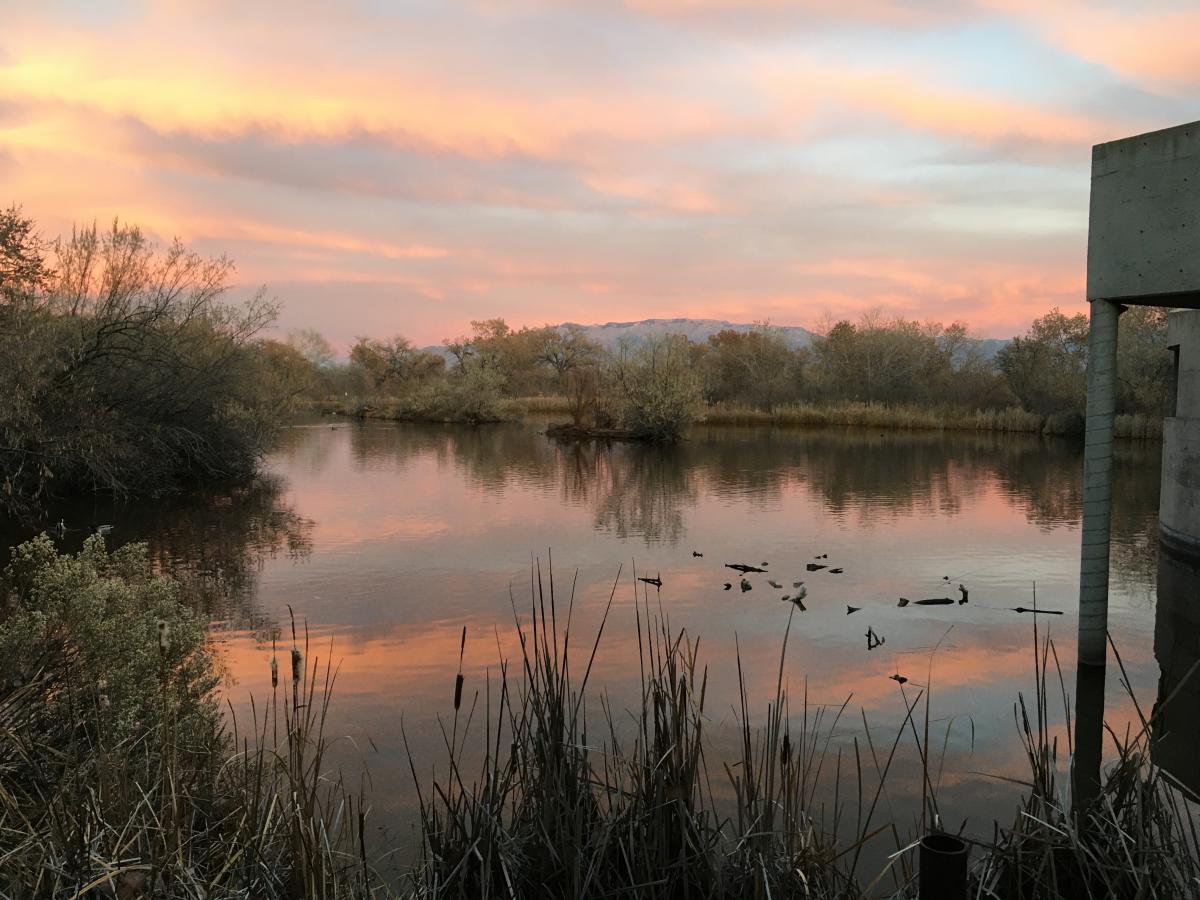 Photo Credit: Karen Herzenberg
The Rio Grande Nature Center State Park is a one-stop shop for nature in Albuquerque. The visitor center has interpretive exhibits about the plants and animals you’ll find in the Bosque, and volunteers are available to answer your questions. Stop by the observation room to check out a 3-acre pond where you’ll spot ducks, turtles, dragonflies and more. The Native Plant Garden offers a place to relax surrounded by more than 200 native plants. The Mariposaville Pollinator Garden provides a place for visitors to observe native pollinators.
The Rio Grande Nature Center is an ideal location for birding. Over 300 species have been spotted at the center. About 40 are year-round residents, and the rest are migrating birds.
Sandia Mountains
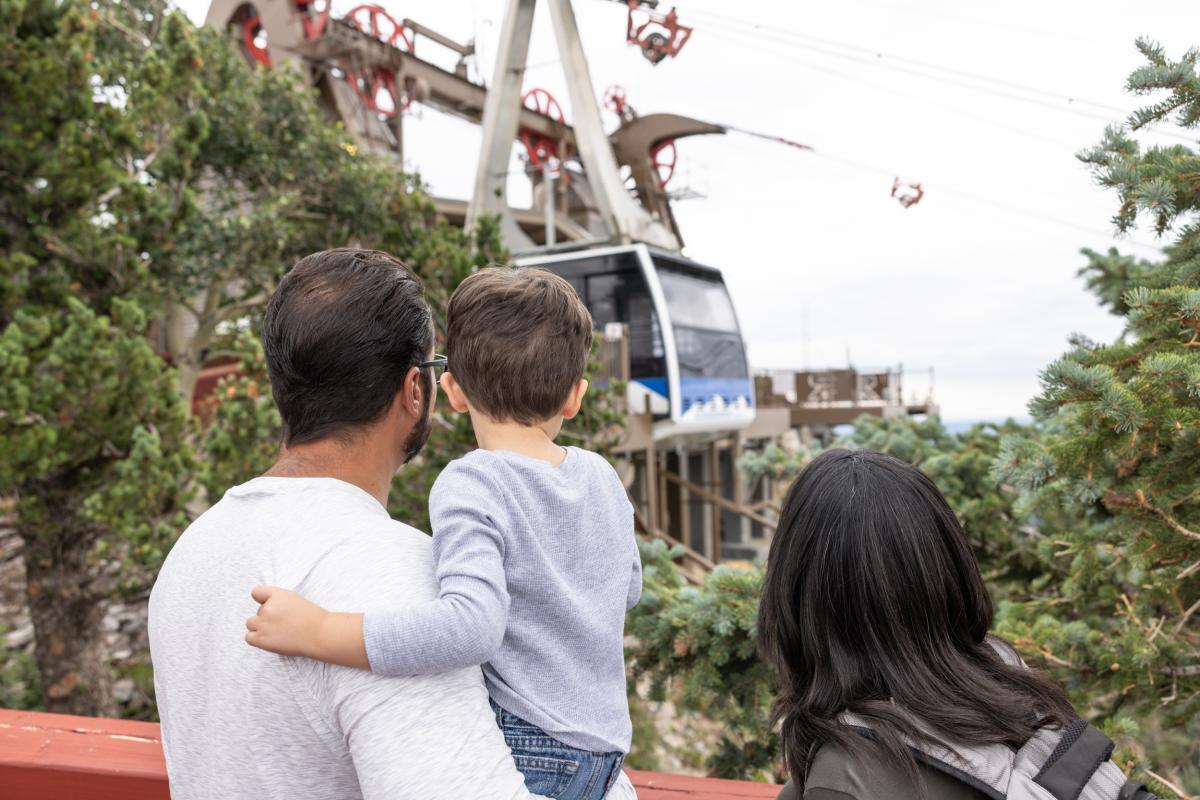 Photo Credit: Will Fox/Sandia Peak Tram
To the east of Albuquerque lie the Sandia Mountains. Named after the Spanish word for watermelon, the Sandias turn a beautiful pink when the sun sets. The Sandias are a year-round outdoor playground. Countless trails will take you through the foothills or up to the crest, the tallest point of the mountains. If you aren’t up for a hike, the Sandia Peak Aerial Tramway, one of the longest trams in the world, will take you soaring over the Sandias to the top of the mountains in about 15 minutes. The view from the peak is stunning.
The Sandia Mountains have a more wooded terrain than some of the other outdoor recreation areas in Albuquerque. Larger predatory mammals live in the mountains, including black bears, bobcats and mountain lions. Mule deer can also be found in the Sandias, along with many snake species. Sandia Mountain alumroot is a rare wildflower only found in the Sandia and Manzano mountains.
Please note: Portions of the Sandia Crest Recreation Area and surrounding areas are closed until January 2027 for a forest health project. Check the U.S. Forest Service's website for the most up-to-date closures.
Valle de Oro National Wildlife Refuge
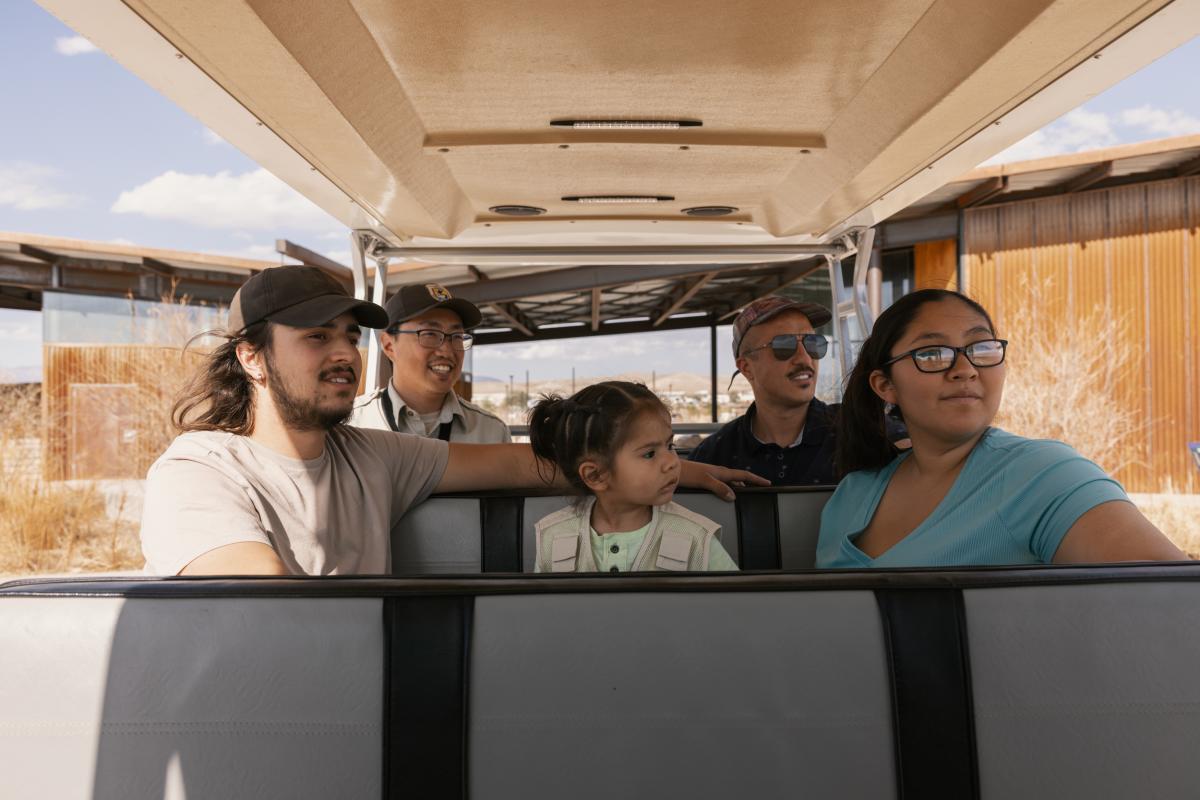
Just south of Albuquerque is the Valle de Oro National Wildlife Refuge, which sits on 570 acres of former farmland. There are plenty of outdoor recreation activities here, including birding, biking and horseback riding. Visitors can choose from five trails.
You’re sure to spot many different native species on a trip to Valle de Oro. American kestrels are the refuge’s unofficial mascot, and big brown bats come out at night to eat insects. Yerba mansa is a wetland plant with medicinal value that produces white flowers.
In 2019, Valle de Oro was named the nation’s first Urban Night Sky Place by the International Dark-Sky Association, providing opportunities for stargazing just 7 miles from the city’s center. According to the association, Valle de Oro demonstrates how people and wildlife can co-exist in a protected space close to an urban area.
Petroglyph National Monument
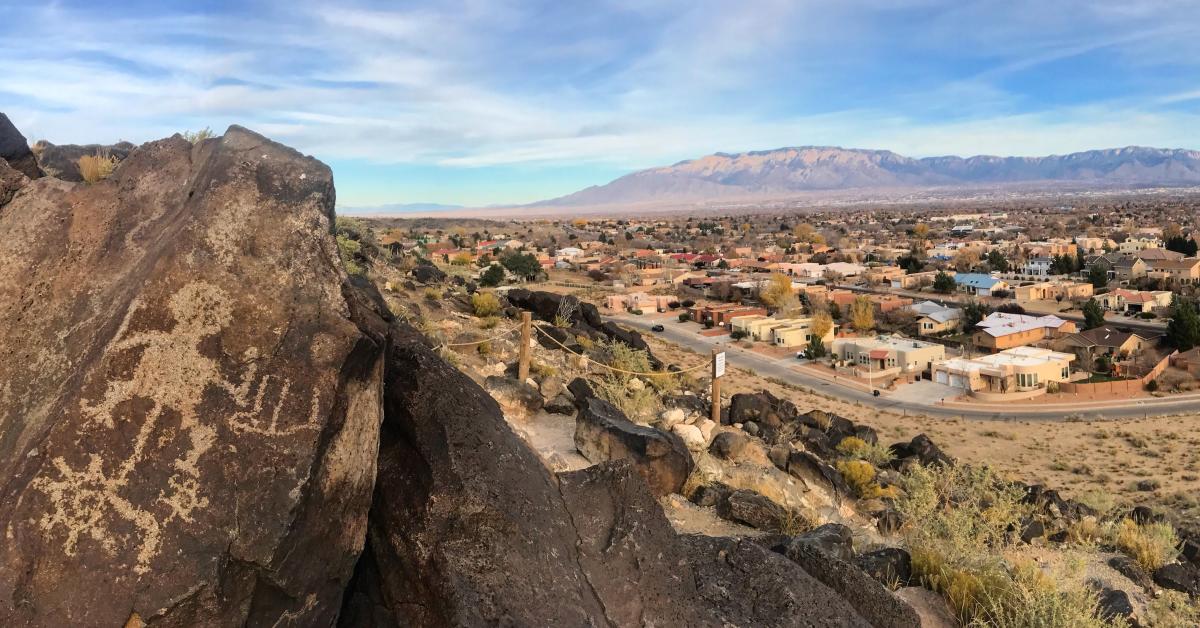
More than 200,000 years ago, lava flowed from five cinder cone volcanoes on the land west of the Rio Grande. Centuries later, people traveling through the area discovered that chipping away at the basalt volcanic rock revealed a lighter gray underneath, allowing them to carve pictures into the stone. Native Americans engraved images of birds and animals more than a thousand years ago, and Hispanic settlers carved crosses and other symbols into the rocks beginning about 400 years ago.
Hundreds of these carvings, known as petroglyphs (from the Greek words for “rock” and “writing”), are preserved in the 17-mile volcanic escarpment on Albuquerque’s Westside. Organized efforts to protect the petroglyphs began in the 1970s, and Congress established the area as a National Monument in 1990. Today, visitors can explore trails throughout the National Monument, providing an opportunity to step back in time and think about the people who traveled through the Rio Grande Valley ages ago.