
Albuquerque is a hub for science, technology and research. Sandia National Laboratories was established in Albuquerque in 1949 to continue nuclear research and development that began during the Manhattan Project in Los Alamos during World War II. Albuquerque is also home to the National Museum of Nuclear Science & History and the Air Force Research Laboratory; Microsoft was founded here; and the unique geological landscape itself tells an incredible scientific history. With this strong scientific identity, Albuquerque is a great destination for science enthusiasts. Check out some places that will appeal to science lovers in Albuquerque.
Anderson Abruzzo Albuquerque International Balloon Museum
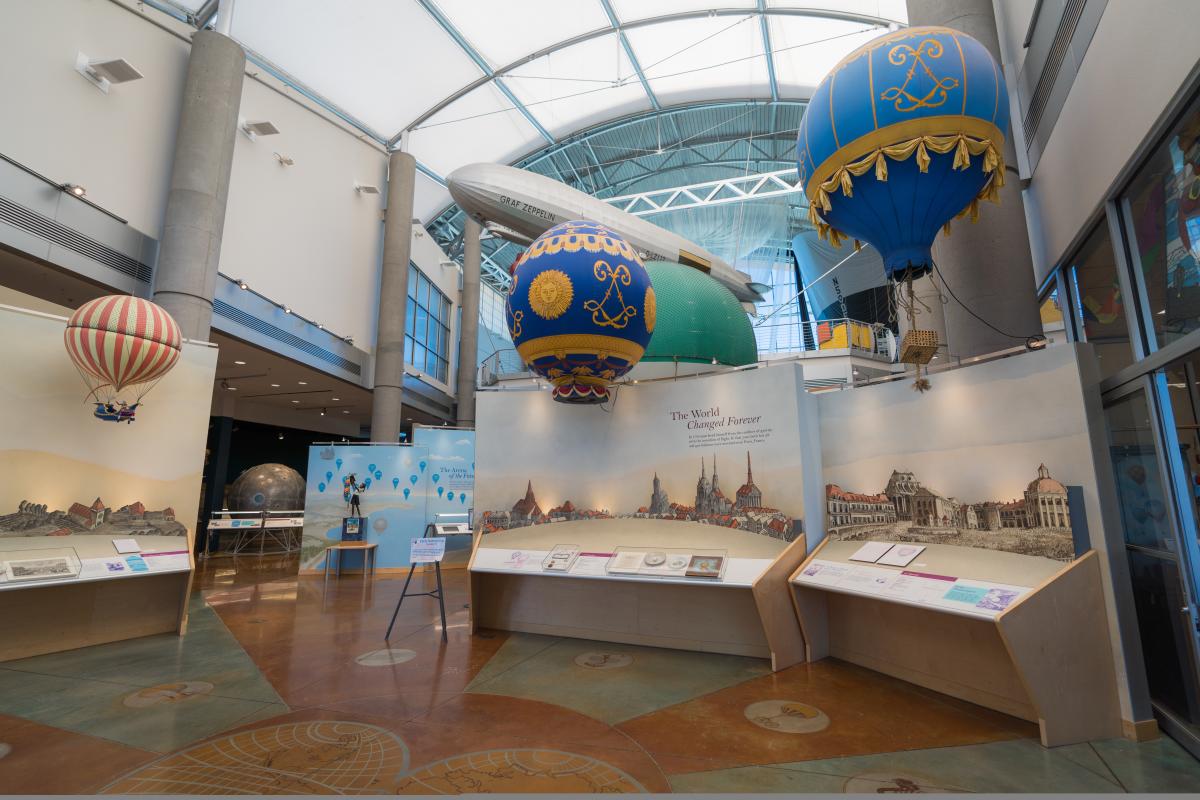
Albuquerque is the Hot Air Ballooning Capital of the World. Learn more about what it takes to make a hot air balloon float at the Anderson Abruzzo Albuquerque International Balloon Museum. Exhibits like The Weather Lab examine how weather works, and different technologies are used to better understand and predict the weather.
Explora

Explore different aspects of science, technology, engineering, art and math at Explora. While the exhibits are geared towards children, adults can enjoy and learn at the museum, too. Get grounded in gravity, create electrical circuits and design a paper rocket at more than 250 hands-on exhibits.
Meteorite Museum
Located on the first floor of the Earth and Planetary Sciences building at the University of New Mexico, the Meteorite Museum and Collection has hundreds of meteorites found around the world on display. The highlight of the museum is a one-ton piece of a meteorite that fell in Kansas in 1948.
National Museum of Nuclear Science & History
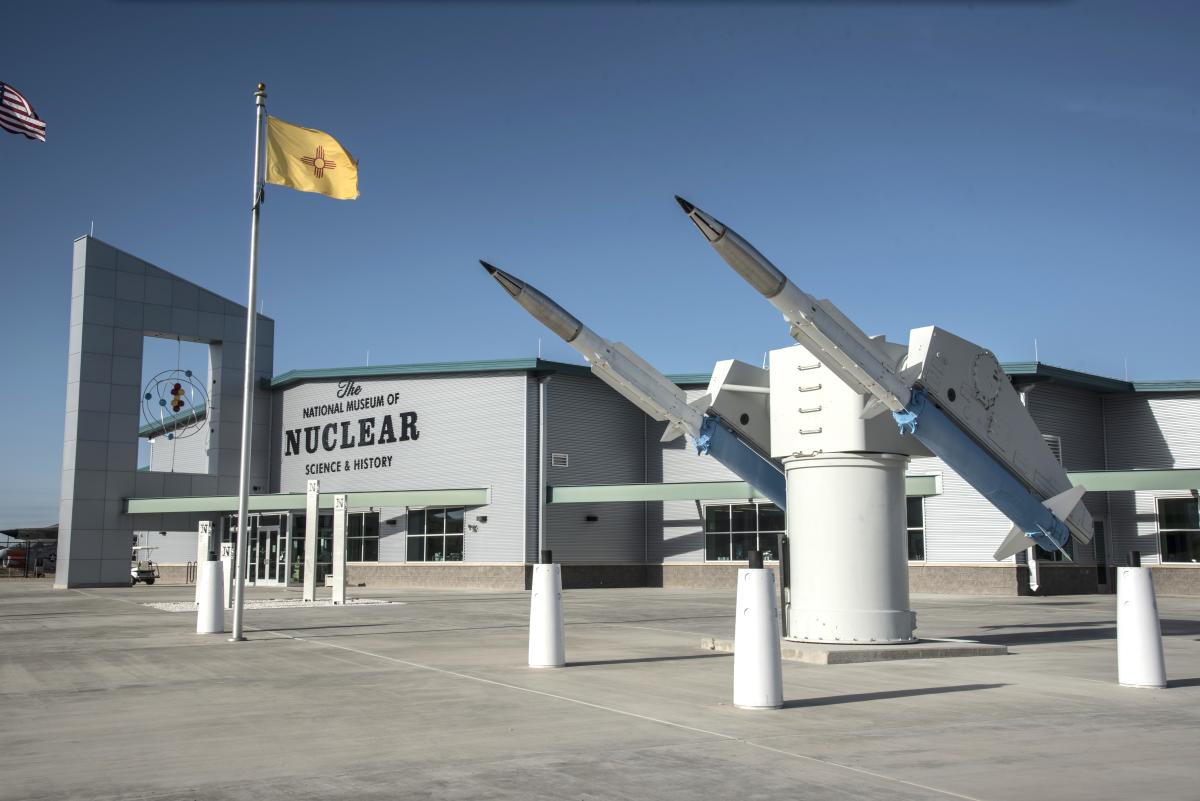 Photo Credit: Facebook
New Mexico has a long history with nuclear science, and it can be explored at the National Museum of Nuclear Science & History. Learn the story of the Atomic Age, from the development of the nuclear bombs in Los Alamos to how nuclear energy is being used today. The museum is also home to a large park that houses various planes, rockets and other aircraft.
New Mexico Museum of Natural History & Science
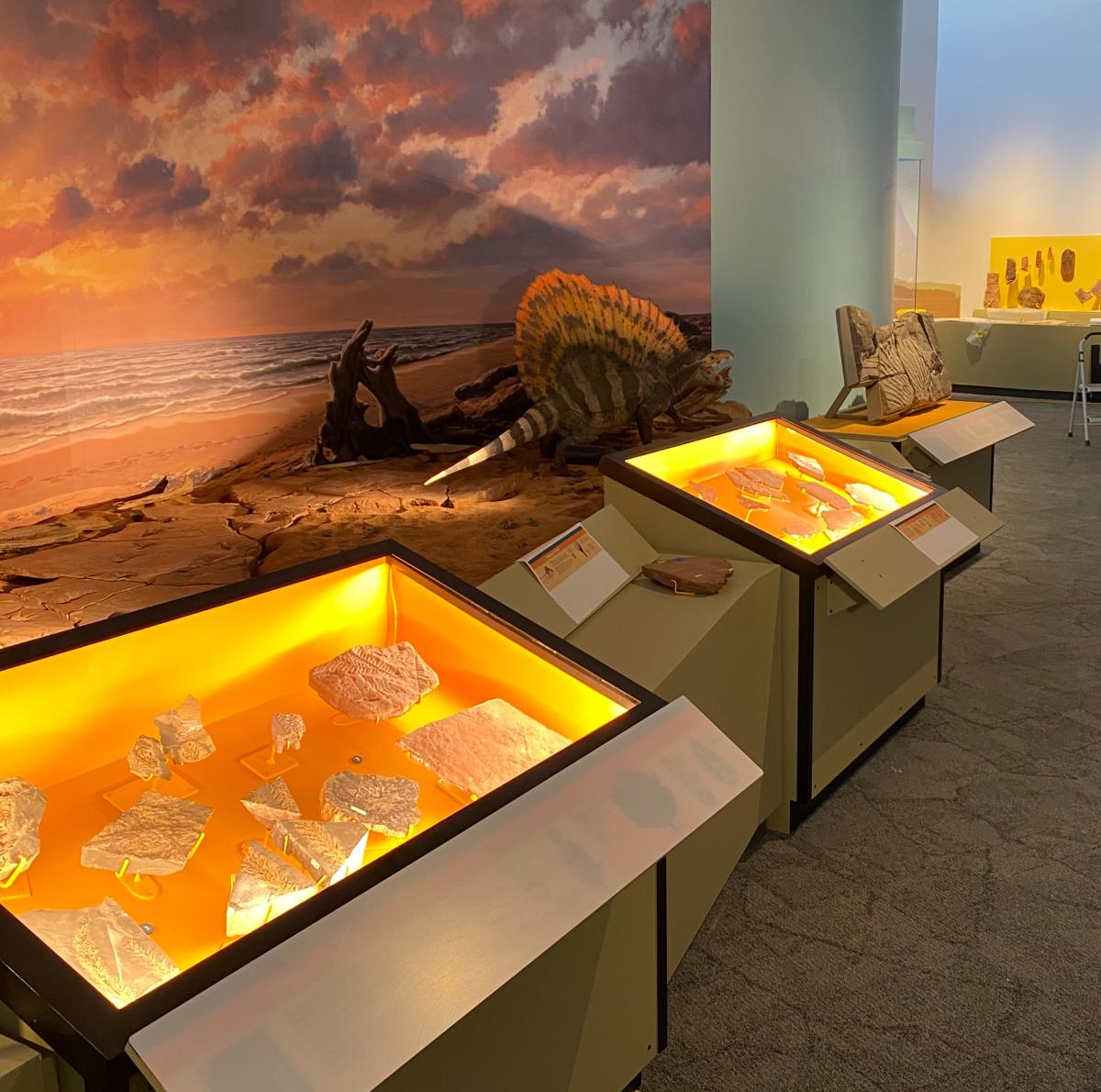
See New Mexico evolve over hundreds of millions of years at the New Mexico Museum of Natural History & Science. The Hall of Ancient Life shows what creatures roamed New Mexico 300 million years before the dinosaurs. Interact with an animatronic Bisti Beast, a dinosaur found in New Mexico. The museum also has a Planetarium and DynaTheater that shows nature films.
UNM Campus Observatory
The UNM Campus Observatory allows the general public to view the night sky. On Friday evenings during the fall and spring semesters, peer through the Celestron Edge HD telescope to see what planets are in the night sky. The telescope operator will explain what you’re seeing. The observatory is open only on clear nights.